Friendship is being sold back to us as an activity.
Being expected is smaller and somehow more tender.


Somewhere between “we should hang out” and the registration link, friendship acquired an intake form.
To meet people now, it can feel as though you need to be training for something. A run club. A ceramics class. A members-only supper. A walking group with a logo, a group chat, and a very specific color palette. Even leisure has begun arriving with a calendar invitation.
This is not an attack on run clubs. I love that people are finding each other over things they genuinely enjoy. I just wonder when wanting company started requiring a second personality. What if you don’t run? What if your interests are still under construction? What if, after eight hours of performing competence, your only hobby is sitting down?
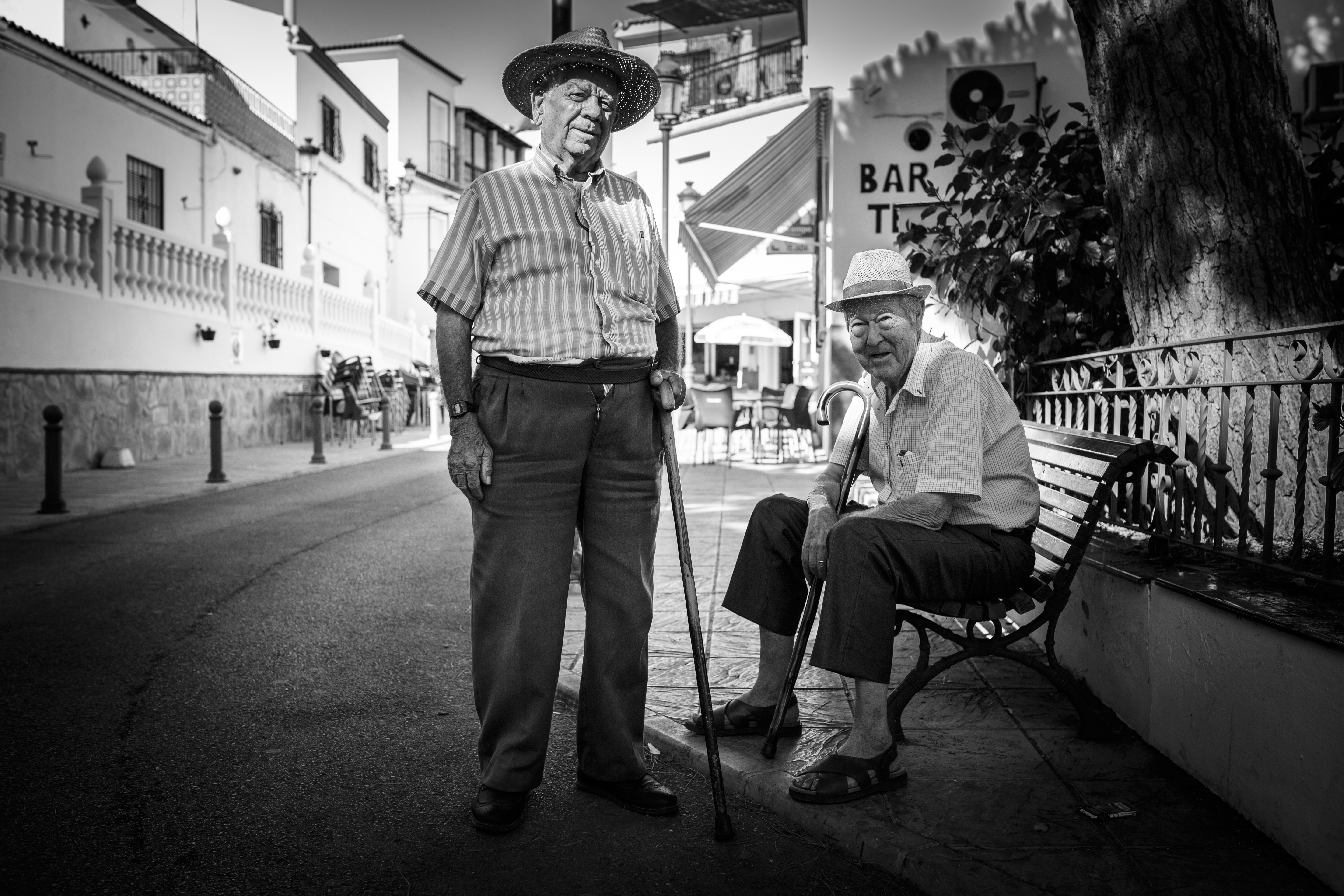
There is a particular kind of intimacy that comes from seeing the same people without making plans. The woman who always takes the shady end of the bench. The man who knows everyone’s dog but none of their last names. The regular at the library who moves their bag before you even ask. Nobody has announced a friendship. Nobody has paid a joining fee. But your absence might be noticed.
That is what I mean by somewhere to sit. Not a curated third-space concept with excellent branding and a twelve-dollar drink minimum. An ordinary place where being present is enough.

A survey of 1,000 Gen Z respondents commissioned by fitness company Life Time, reported on October 27, found that 60% agree they need a “third space” to make new friends. The finding is interesting; so is the sponsor. Even our loneliness is becoming a business opportunity. The answer to wanting a place to belong is too often another place to become a customer.
And it is not only about money. An organized club asks you to arrive with a reason. A public bench asks almost nothing. You can be quiet, a little awkward, half-distracted, not particularly impressive. You can leave after twenty minutes and come back next week. A connection might grow slowly enough that neither person notices the moment it begins.
Of course, not every public space feels welcoming or safe, and a bench alone cannot manufacture community. A study of third places and well-being published in late 2025 found that their benefits vary with socioeconomic circumstances. Access to time, transport, comfort, and money matters. This is precisely why treating social life as another subscription feels so unsatisfying.
Public libraries understand something that many lifestyle brands have forgotten. Their chairs do not ask what you plan to achieve while occupying them. The Public Library Association’s 2025 survey, reported in June 2026, describes libraries expanding partnerships and community services. There is something quietly moving about an institution making room for people whose reasons for showing up might have nothing to do with borrowing a book.


I keep thinking about the difference between being invited and being expected. An invitation is lovely, but it requires coordination, enthusiasm, and someone willing to send the first text. Being expected is smaller and somehow more tender. It means the world has made a little space for your ordinary arrival.
So yes, keep the pottery nights, the hiking groups, the ambitious dinner parties. But please leave us a few unprogrammed afternoons. A table that doesn’t belong to a brand. A bench where nobody needs to introduce themselves with three fun facts.
Sometimes the most generous thing a city can offer is a place where you can sit long enough to become familiar.
Alexia Anderson · October 30, 2026 · Opinion