Less than three weeks before the November 3 midterms, the House Republican majority is being described by its own members in the past tense. Five senior Republican lawmakers, all granted anonymity by POLITICO to speak candidly about their party’s dire position, said the House had all but slipped away. One predicted Democrats would pick up about 10 seats, more than enough to flip the chamber. The goal now, in the words of one senior Republican, is to “save as many Republican seats as we can.”
The concession matters because of what follows it: money. NBC News reported on October 14 that Republicans are shifting funds in the battle for the House, pulling money from some of the toughest races. The stakes of the majority are absolute. House control means committee gavels, subpoena power, and the difference between a president who can legislate and one who can only veto. With 3.6 million early ballots already cast as of October 13, according to CBS News, the electorate is shrinking by the day while the party decides, in real time, which of its candidates remain worth the investment.
Some perspective is in order. The president’s party almost always loses House seats in a midterm election; the historical question is usually how many, not whether. What distinguishes this cycle is the earliness of the triage, and the mechanism. Senior lawmakers are conceding the chamber three weeks before Election Day rather than on it. And the retreat is not a wave washing over the party. It is the party choosing, race by race, where not to stand and fight.
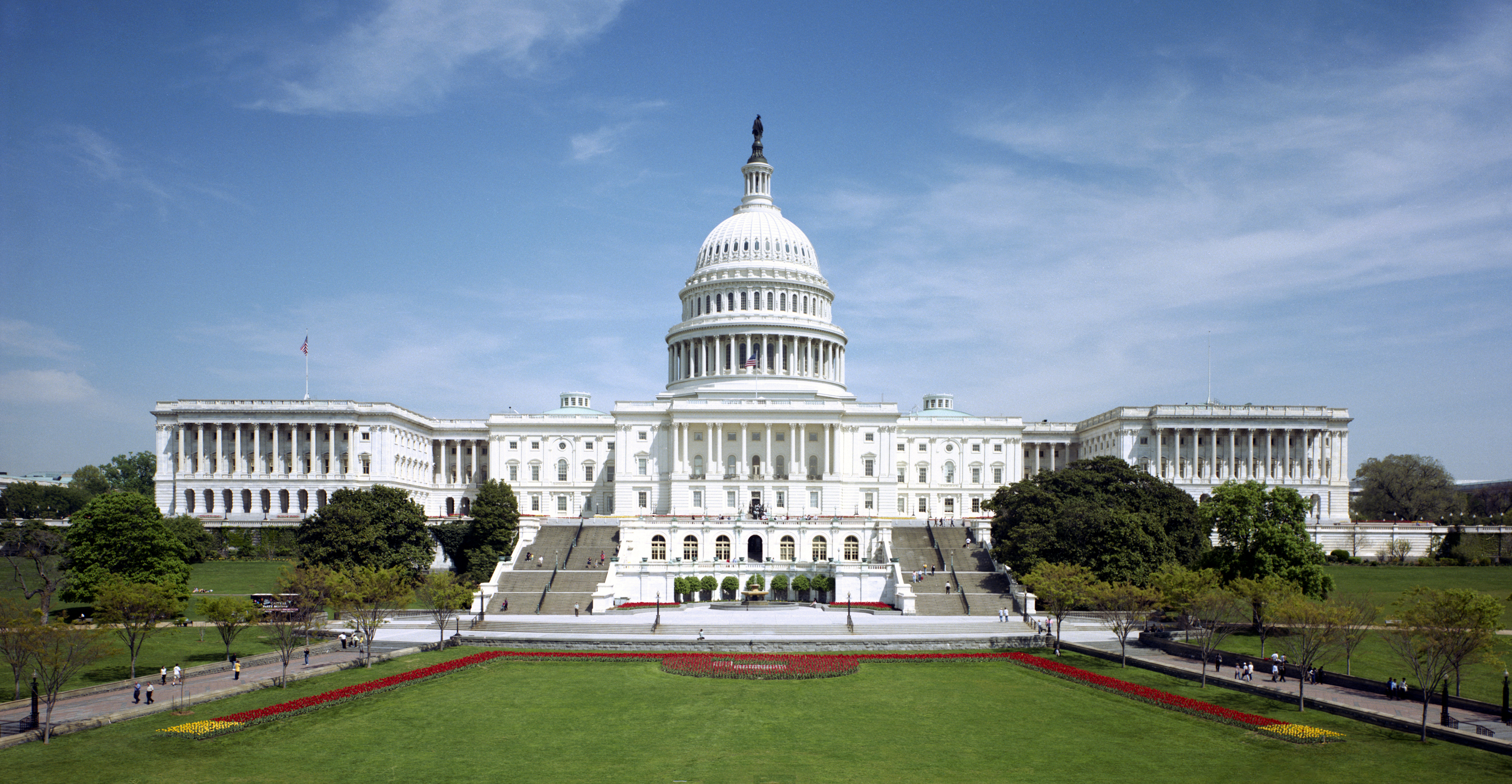
POLITICO reported that Republicans have fallen back from the districts of Representative Mariannette Miller-Meeks of Iowa and Representative Tom Kean Jr. of New Jersey, and gave up last week on the Omaha-based seat of retiring Representative Don Bacon. The Congressional Leadership Fund, the leading House Republican super PAC, canceled advertising in Nebraska and Iowa, then allowed the Senate Leadership Fund to claim the airtime to support Senator Pete Ricketts’s reelection in Nebraska and Representative Ashley Hinson’s Senate campaign in Iowa. The House’s loss is, quite literally, the Senate’s gain.
None of this is uncontested, and the public posture differs sharply from the private one. Both the Congressional Leadership Fund and the National Republican Congressional Committee told POLITICO they have no intention of giving up on the House. NRCC spokesperson Mike Marinella said districts are won “one by one” and pointed to the party’s financial and organizational strength. Readers should weigh those denials alongside the anonymous assessments, and note what the money is doing regardless of what anyone says.
“President Trump has made this election all about himself.” — a senior House Republican, speaking anonymously to POLITICO
The pullback extends beyond the highest-profile seats. Reporting on the fund shifts describes roughly $10 million in reservations clawed back across New Jersey, Iowa, Michigan and Ohio, including abandoned attempts to flip Democratic-held districts, plus about $1 million pulled by a MAGA Inc.-aligned group from Nevada’s 3rd District. Each withdrawal is a judgment rendered in dollars: that a race is no longer winnable at an acceptable price.

The tension between the national party and its most vulnerable candidates was on full display in Arizona on October 14, when President Trump rallied at Laughlin Bullhead International Airport. Jay Feely and Representative Juan Ciscomani, the Republican nominees in Arizona’s two most competitive House races, were not in attendance. Feely was “regrettably” unable to attend, his general consultant Brian Seitchik told The Arizona Republic on October 12, declining to elaborate. Ciscomani’s spokesperson, CJ Karamargin, said the congressman had long-planned commitments in the Tucson area that day, including a Chamber of Commerce event in the morning and a veterans-recognition event in the afternoon.
Their absence is the story either way. “It would be political suicide for either of them to show up in Bullhead City,” Doug Cole, a consultant with the conservative firm HighGround, told The Republic. The same reporting notes that the president “appears to be dragging down Republicans in the polls, as voters report frustration with an economy chilled by his sweeping tariffs and the conflict in Iran.”
“It would be political suicide for either of them to show up in Bullhead City.” — Doug Cole, consultant with the conservative firm HighGround
There is data behind the anxiety, though it must be read carefully. A statewide HighGround survey of 400 likely Arizona voters, conducted October 6 through 8 with a margin of error of ±4.9 percentage points, found Republicans trailing badly in statewide contests: Governor Katie Hobbs led her challenger 50.5 percent to 33.7 percent, for example. The poll covers statewide offices only, not congressional districts, so it cannot measure where Feely’s or Ciscomani’s races stand. What it captures is the statewide climate both men are navigating.

Meanwhile, the money flowing toward the races Republicans still hope to save is increasingly concentrated in a single pair of hands. The New York Times reports that Elon Musk has given $276 million to Republican groups since July, more than he spent on the 2024 election, a figure a spokesman for Musk’s super PAC confirmed to The Associated Press, according to NPR’s October 14 report. There is no public evidence tying Musk’s donations to any specific decision to abandon a House race, and this article does not suggest otherwise. What the figure establishes is concentration: when a single donor can outspend party committees, strategy begins to resemble patronage.
CBS News reported on October 13 that voters nationwide had already cast 3.6 million early ballots, with 21 days remaining until November 3. Every day of triage is a day the electorate gets smaller. The voters Republicans needed to persuade are becoming the voters they needed to have persuaded.
None of this means the election is decided, and this analysis should not be mistaken for a prediction. Three weeks is a long time in politics. Polls can move. Early-vote counts are not results. The NRCC’s public confidence may yet prove justified, and private pessimism is sometimes its own tactic, a way to make a narrow loss look like expectations met. What the anonymous assessments describe is a campaign that has quietly changed its objective: from winning the House to limiting the scale of the defeat. In modern American politics, concessions rarely arrive as speeches anymore. Increasingly, they arrive as reallocated ad buys.
The majority still exists, for now, as a legal fact. Whether it survives November 3 will be decided by voters. But in the rooms where Republicans study their spreadsheets, a different kind of voting has already begun.