
The right to stay in Britain forever would no longer come with time alone.
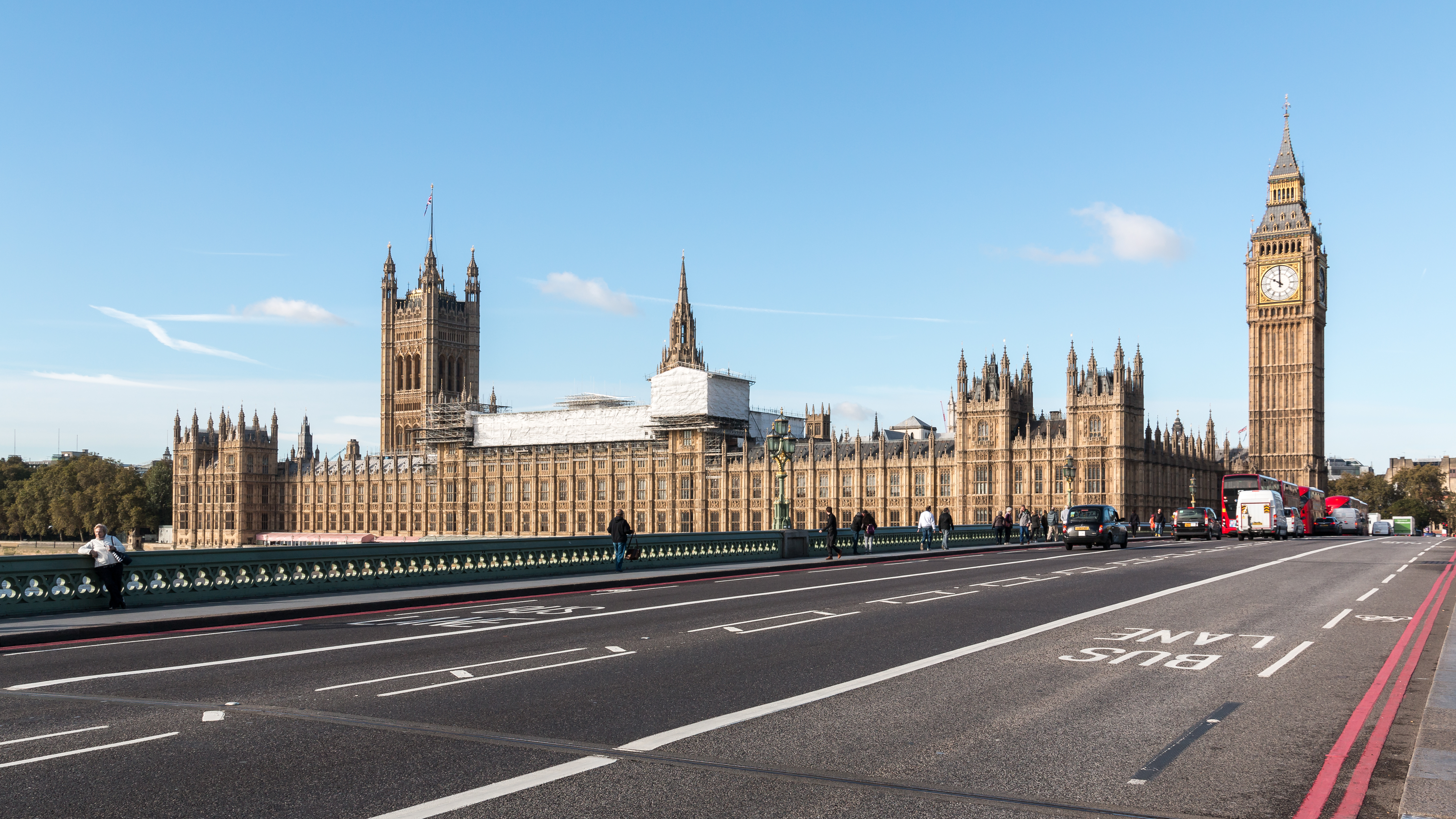
Home Secretary Shabana Mahmood told Parliament on Monday that settlement in the United Kingdom must now be “earned through contribution and good character,” setting out the most sweeping change to Britain’s immigration rules in years.
Under the proposals, the near-automatic route that let most migrants apply to stay permanently after five years ends. The default wait becomes ten. How long any one person waits will depend on what they earn, what they do, and how they arrived.
The fastest lane is narrow. Migrants earning more than £125,141 a year, and holders of global talent or innovator founder visas, could settle in three years. Those earning above £50,271, along with doctors, nurses, teachers and other listed public service workers, keep a five-year path.
Everyone who applies, whenever they arrived, must first meet four conditions: a spotless criminal record, English at roughly A-Level standard, no debt owed to the taxpayer, and a record of sustained National Insurance contributions. Anyone who has breached immigration rules waits at least twenty years.
The numbers behind the plan are large. The government says more than 500,000 people already living in Britain will now wait longer than the five years they expected; an analysis of the details puts the figure at 517,000, down from 799,000 under the version first drawn up last year.
Nobody who already holds settled status loses it, the Home Office says, and nobody will be forced to leave. People caught by the longer timetable will renew temporary visas until their new path runs its course.
The announcement survived its own party only narrowly. Labour backbenchers threatened rebellion over an earlier plan to make low-paid care workers wait fifteen years, and the housing secretary, Angela Rayner, called the retrospective nature of the proposals “un-British.”
“From today, it must be earned.”
Mahmood conceded the point on care workers: those who arrived before May 2025 and earn at least £25,000 keep their five-year path, in recognition of the sector’s pandemic contribution. Around a quarter of care workers who fall outside that deal get a second chance through a new five-year visa. The government says 1,800 exploitative sponsors have already lost their licence to bring in foreign workers.
Refugees face the steepest climb. Those arriving on approved safe and legal routes can settle in five years. Others wait twenty, reduced to ten for those who work or study. Anyone who crossed the Channel in a small boat, or arrived by another clandestine route, faces an extra decade, and could wait up to thirty years.
Diane Abbott warned MPs of another Windrush-style scandal. The Conservatives’ shadow home secretary, Chris Philp, called the announcement a U-turn. Marley Morris of the Institute for Public Policy Research said workers such as engineers, chefs and architects, who arrived expecting five years, could accuse the government of “moving the goalposts.”
Prime Minister Andy Burnham is standing behind his home secretary. “People want to see an immigration system based on control, contribution, and which rewards those who play by the rules,” he said, promising Mahmood his full support.
Mahmood framed the change as a contract between those who come and those already here. “Settled status is one of the most valuable rights this country can offer,” she told the Commons. “Until now it has been given almost automatically. From today, it must be earned.”
What Monday produced is a policy, not yet a finished rulebook. The statement before Parliament sets the direction and the transitional protections; how and when each tier applies in practice will be written into immigration rules still to come.
For the half a million people who built their plans around a five-year promise, the waiting has already changed. Britain is not asking them to leave. It is asking them to wait, and to prove, for longer than they were told.


Avery Reed · November 3, 2026 · Global Politics & Human Rights